There’s a particular kind of maddening when an air conditioner dies on the hottest afternoon of the summer. The home begins to seem heavy, the air becomes sticky, and even the simplest duties seem to drain you. In the meantime, the sun is pounding down, the rooms are becoming warmer by the hour, and each family member is beginning to hunt for the closest fan.
The most frustrating part is how frequently this occurs on the very day the AC has to be working.
It is so basic, it is shocking. The worst beating your air conditioner can get is during an excessive temperature. That’s the time when every vulnerability buried in the system is exposed. Small difficulties that might go undetected in moderate conditions become suddenly unmanageable by the system.
Homeowners who understand why this occurs might prevent pricey breakdowns, frustrating afternoons, and restless nights. More significantly, it keeps the house cooler when the heat hits its worst.
AC Struggles To Keep Up During Extreme Summer Heat
An air conditioner never gets a genuine respite in a heat wave.
When the outside temps go into the high 90’s and beyond, the system runs longer cycles. In many households, the AC may not turn off all day. That constant operation creates more strain on every single part inside the unit.
As the workload increases:
- Electrical components heat up faster
- Air filters collect more dust
- Refrigerant pressure rises
- Motors experience more wear
- Condensation builds more quickly
- Weak parts finally fail
Imagine trying to keep an automobile engine running at full throttle for hours on end. Even a dependable car may start to overheat under that type of strain. Your AC does the same thing.
So the warmest day of the year is a stress test for the whole cooling system.
Dirty AC Air Filters That Slowly Kill Cooling Power
A clogged air filter may look harmless, yet it can create major trouble during extreme heat.
It may not seem like much, but a blocked air filter may produce serious problems in intense temperatures.
Pet hair and debris clog the filter when the dust fills it up, and ventilation is limited. This makes it hard for the system to pump cool air through the house. Meanwhile, the blower motor is working overtime, and the temperatures within the device are beginning to rise.
In the nice weather, the issue could appear tiny. Although in extreme temperatures, limited airflow might be overburdening.
Signs of a blocked filter are typical:
- Weak airflow from vents
- Warm rooms even while the AC runs
- Longer cooling cycles
- Higher energy bills
- Ice forming on indoor coils
Luckily, this is one of the simplest difficulties to avoid. Regular filter changes allow the system to breathe and help keep airflow stable throughout the hottest weeks of summer.
Low Refrigerant Levels That Stop Your AC From Cooling
Refrigerant plays a huge role in keeping the home cool. Without enough of it, the system cannot remove heat effectively.
Refrigerant doesn’t just get “used up” over time, as most people think. Typically, low levels indicate a leak somewhere in the system.
On the colder days, the AC may still chug along and chill a little. But as soon as the temperature outside starts to rise, the shortage of refrigerant becomes uncomfortably evident.
Common signs include:
- Warm air blowing from vents
- Ice on refrigerant lines
- Hissing sounds near the unit
- Rising indoor humidity
- Rooms cooling unevenly
This is especially true during the summer, when the heat may drive the system to the limit, and the AC stops operating altogether when the refrigerant is low.
Overheated Outdoor AC Unit On Sweltering Summer Days
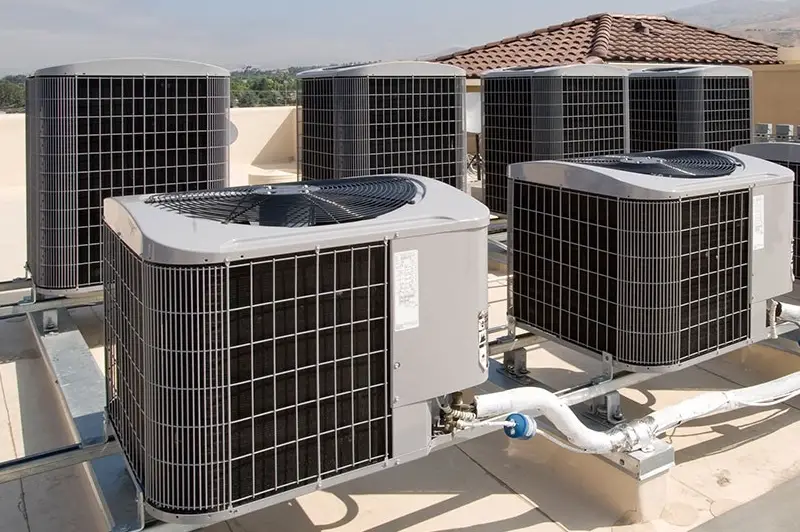
The outdoor condenser unit has one important job. It releases heat pulled from inside the home.
However, the drawback of the condenser already occurs in case of significant heat waves since the external temperatures are already extremely high; if the device is unclean or clogged, it cannot discharge heat effectively.
That creates overheating problems fast. Several common issues make this worse:
- Grass clippings covering the unit
- Dirt buildup on condenser coils
- Plants growing too close
- Leaves trapped inside
- Lack of shade in the area
If airflow around the outside unit is obstructed, the system may shut down as a safety precaution to prevent harm.
A clean, clear outdoor unit will be better able to cope with lengthy hot afternoons.
AC Electrical Failures That Strike During Heat Waves
Extreme heat may harm electrical systems more than many people realize.
The longer the cooling cycle, the greater the stress it places on the capacitors, contactors, wire, and circuit boards. These parts will naturally wear out over time with age and continued use.
Then, the warmest day of the year arrives.
Suddenly:
- Capacitors overheat
- Breakers trip
- Wires expand from heat
- Connections loosen
- Motors struggle to start
That’s why an AC could be operating brilliantly one day and a complete loss the next. But for many, the problem had been brewing quietly for months before the heat wave brought it to the boil.
Thermostat Settings That Make Your AC Work Harder
Sometimes the AC itself is not the main problem.
A poorly situated or old thermostat may create huge cooling problems during hot temperatures. If the thermostat is directly in the sun, you may obtain a misleading indoor temperature measurement. Older thermostats may also have a hard time interacting with contemporary HVAC systems.
And as a consequence, the AC may:
- Run too long
- Shut off too early
- Struggle to maintain temperature
- Cycle on and off repeatedly
Even modest thermostat problems may make a house seem significantly hotter during summer extremes. Upgrading to a smart thermostat can typically assist make cooling more consistent and save unnecessary load on the system.
Skipped AC Maintenance That Leads To Sudden Breakdowns
Many AC breakdowns start months before the system actually stops working.
Small warning signs often go unnoticed because the air conditioner still seems functional. However, dirt buildup, worn components, and airflow restrictions slowly reduce efficiency over time.
Then summer arrives. Once temperatures rise sharply, the weakened system can no longer keep up. Regular maintenance helps catch issues early, including:
- Loose electrical connections
- Dirty evaporator coils
- Refrigerant problems
- Drain line clogs
- Weak capacitors
- Failing motors
That early attention can prevent sudden breakdowns during the hottest stretch of the year.
Indoor Heat Sources That Overload Your Cooling System
Sometimes the AC is working properly, yet the home still feels unbearably warm. That happens because many houses trap heat faster than the cooling system can remove it.
Several factors contribute to this:
- Poor attic insulation
- Sunlight pouring through the windows
- Air leaks around doors
- Hot appliances running all day
- Ceiling fans are spinning the wrong direction
During extreme weather, reducing indoor heat gain becomes just as important as cooling itself. Helpful ways to reduce heat inside include:
- Closing curtains during the afternoon
- Using ceiling fans correctly
- Avoiding oven use during peak heat
- Sealing air leaks
- Turning off unused lights
These small changes reduce strain on the AC and help the home stay cooler longer.
Aging AC Systems That Strain During Intense Heat Waves
Age plays a major role in summer breakdowns.
Older air conditioners naturally lose efficiency over time. It still works; however, with aging parts and performance, it becomes difficult to deal with the severe temperatures.
Older systems often experience:
- Longer cooling cycles
- Uneven temperatures
- Higher electricity usage
- Frequent repairs
- Reduced airflow
Once a major heat wave arrives, these systems often operate nonstop without achieving comfortable indoor temperatures.
That constant strain increases the chances of sudden failure.
High Humidity That Puts Extra Load On Your AC
Florida heat feels even heavier because of the humidity. Your AC does more than cool the air. It also removes moisture from inside the home. During humid weather, the system works harder to control both temperature and moisture levels at the same time.
When humidity rises indoors:
- Rooms feel warmer than they actually are
- Cooling takes longer
- The system runs more often
- Comfort levels drop quickly
This extra moisture load places additional strain on the equipment, especially during long summer afternoons.
Early AC Warning Signs You Should Not Ignore
Air conditioners seldom fail suddenly. Most systems provide some warning before they entirely fail. But unfortunately, many homeowners don’t notice these signs until the house suddenly gets too hot.
Common warning indications are:
- Strange noises
- Weak airflow
- Uneven cooling
- Musty smells
- Rising utility bills
- Constant cycling
- Warm spots in the house
Paying attention to these early signals can help prevent a complete shutdown during peak summer temperatures.
Key Takeaways To Keep Your AC Running In Extreme Heat
The hottest day of the year reveals every flaw in an air conditioning system. Once the temperature starts to climb, dirty filters, aged parts, refrigerant problems, airflow limits, and electrical stress all become more critical.
Luckily, with regular maintenance and early attention, you can make a world of difference. Some maintenance now will save you a lot of aggravation down the road. But more significantly, they help keep your house cooler, safer, and much more pleasant during the extreme heat of summer.
That’s particularly critical for Florida households, since protracted heat waves can put a lot of stress on cooling systems. Petra A/C Services provides maintenance, repairs, and installs that help keep West Palm Beach households operating more dependably during the tough Florida summers.